
Story of FoloUp (My First Proper Startup)
September 21, 2025 · 4 min read
tl;dr: I built a startup called FoloUp, and a year and a half later, stopped working on it and open sourced it. Right now it sits at  1.1k stars. Scroll to the lessons if you want to skip the story.
During second year of university, I started working on FoloUp. The initial idea was to build a platform to add Follow Up questions to Google Forms using LLMs. That's where the name came from, Follow-Up → FoloUp.
I convinced two friends to join me, applied for a grant from the university, and we got SGD 10K to build it.
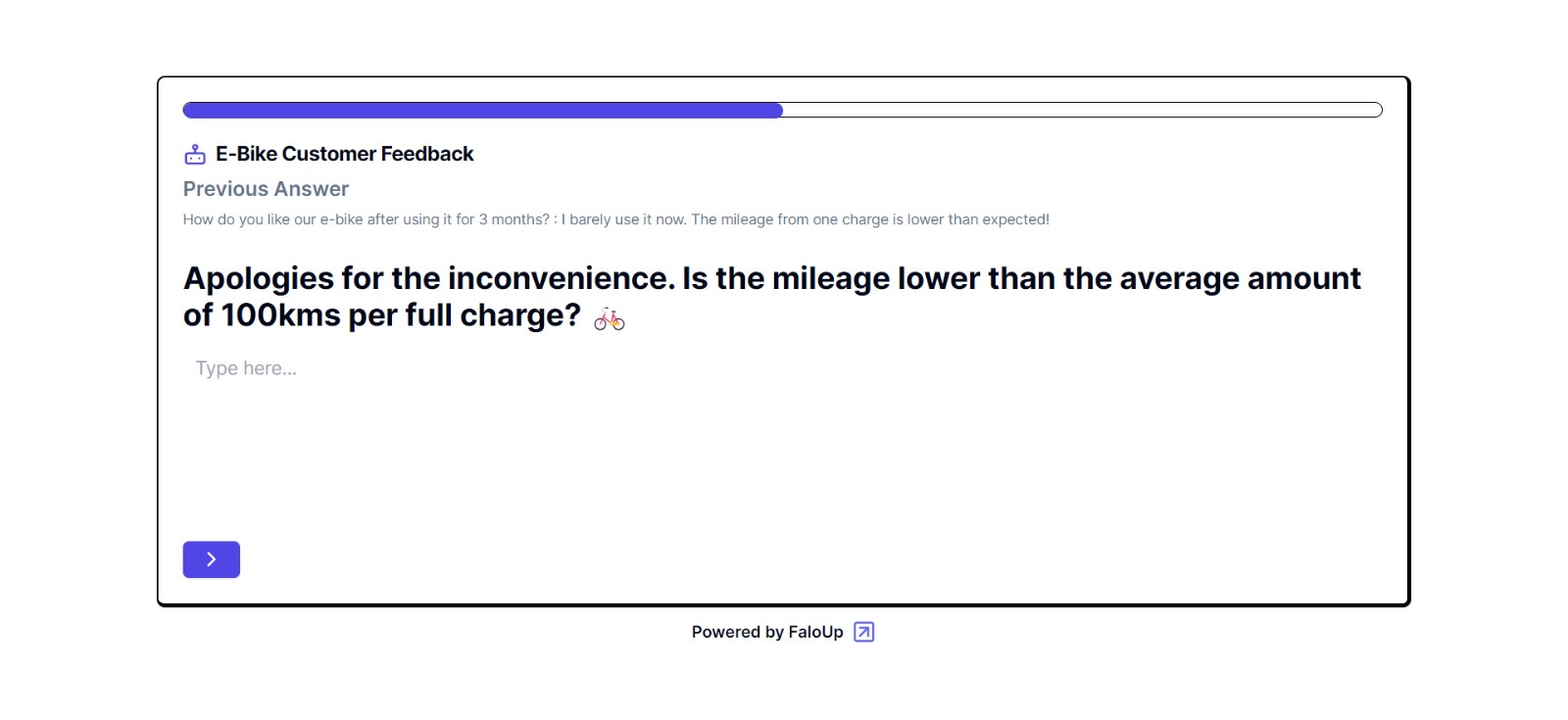
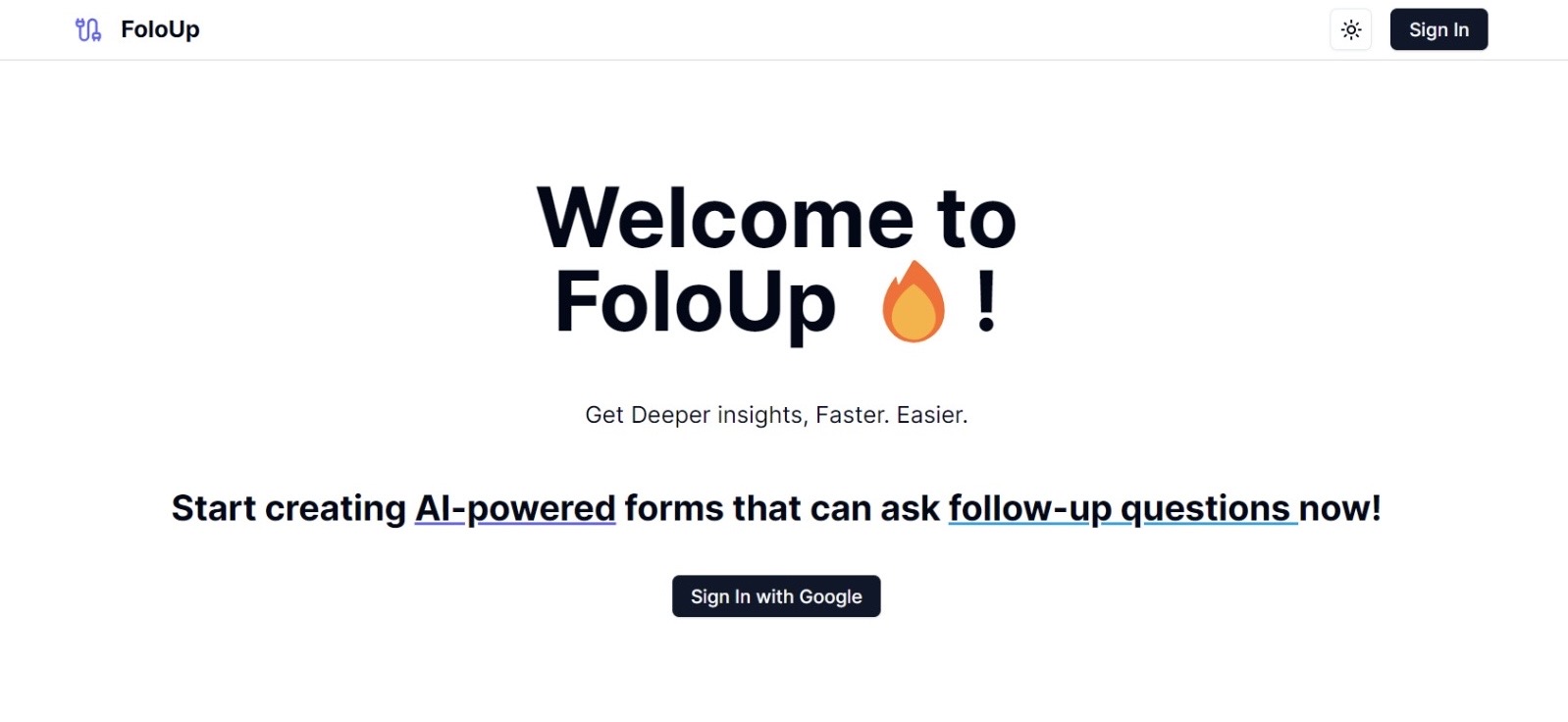
We built our first version and got a handful of people using it for free, but when voice AI started becoming a thing we decided to integrate it into the product and do a launch.
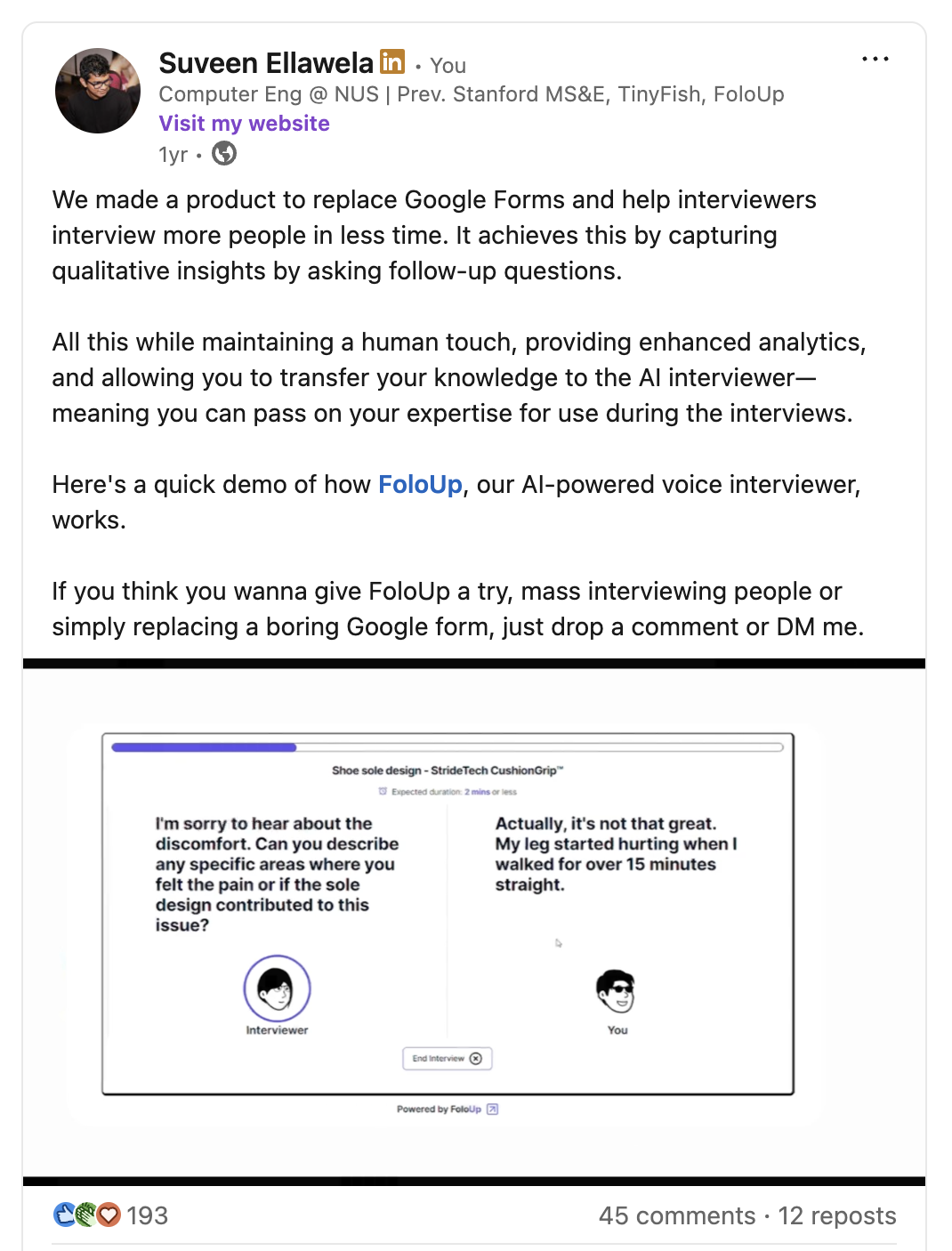
That launch brought a wave of inbound interest, especially from recruiters and founders who wanted to use it for hiring. Within weeks, we fully pivoted.
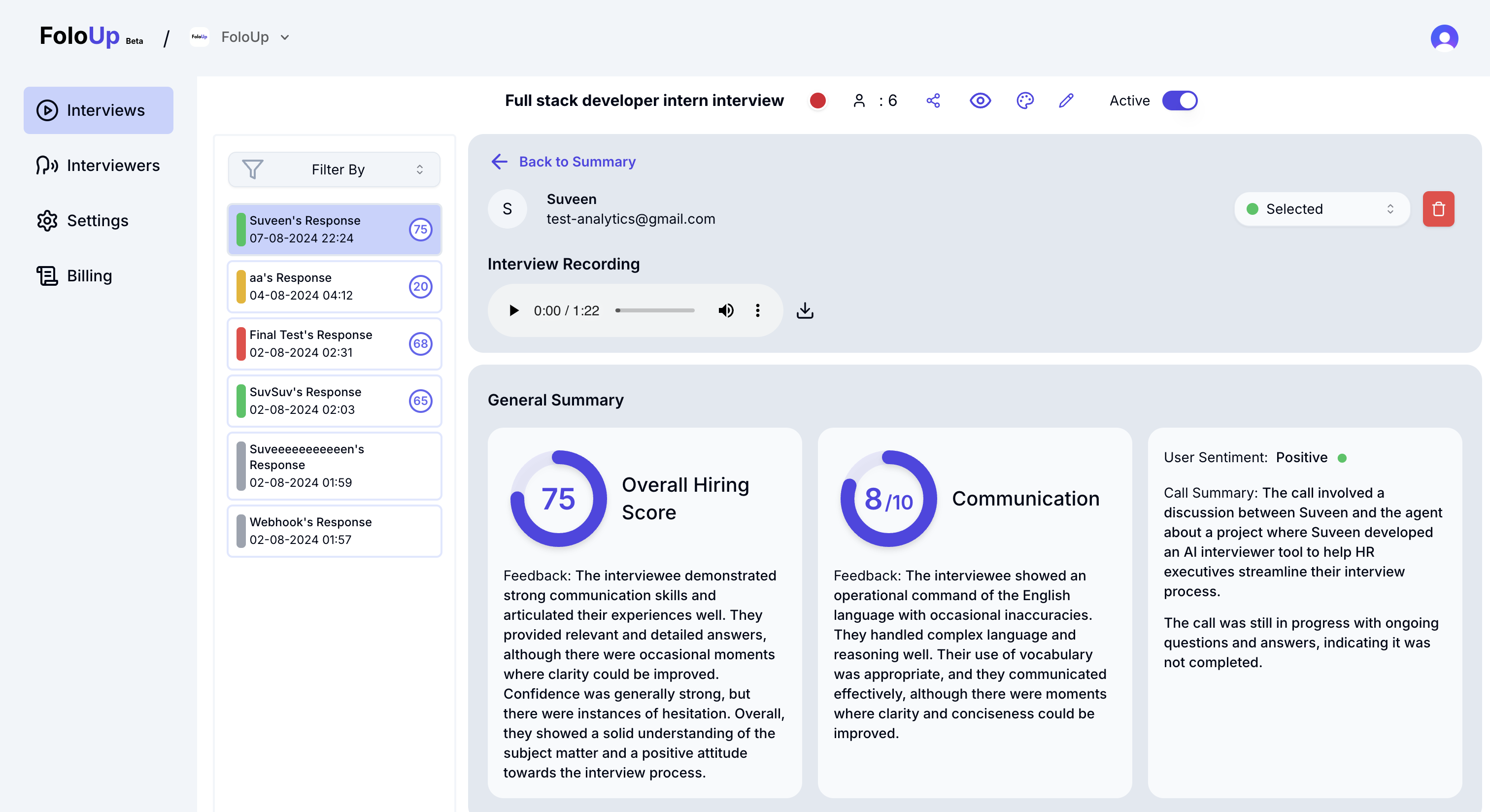
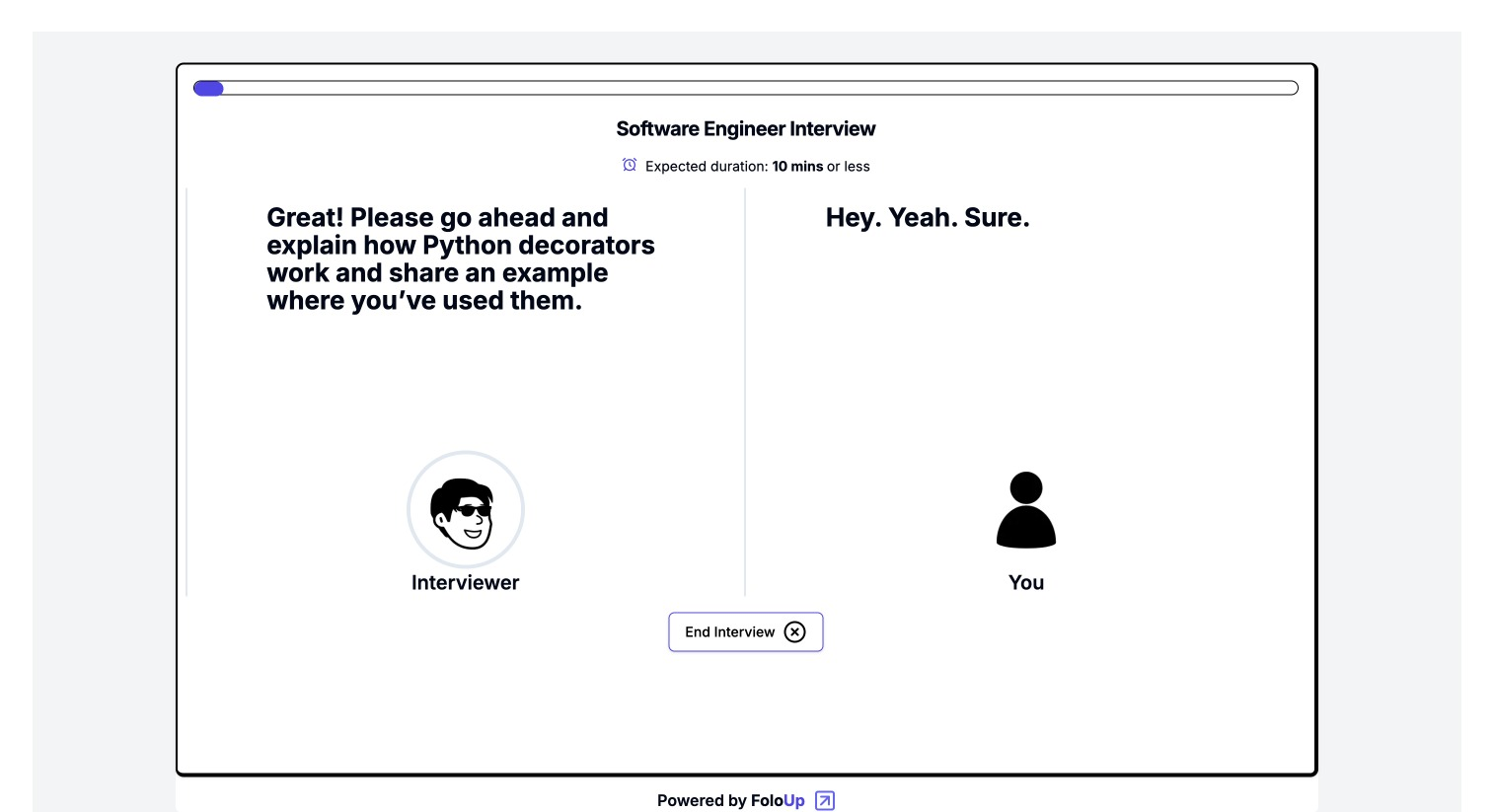
Also we were in a really nice situation where we could dogfood it ourselves to hire people for the company. We ended up hiring a software engineering inten through the platform and got a really good idea on how the platform is for both candidates and companies using the platform.
We worked with four non-paying [1] design partners and had a lot more calls with potential customers. We started hitting a chicken and egg problem where companies wouldn't adopt the product unless we had integrated the product with their Application Tracking System (ATS).
Instead of working on integrations, we prioritized adding more features to the product [2].
Eventually momentum faded. Everyone got busy at different times with their internships and college work. I personally had moved to the US for a year. More importantly, I struggled with conviction. [3] Seeing how crowded the space was, I didn't feel the pull to keep building.
So we stopped.
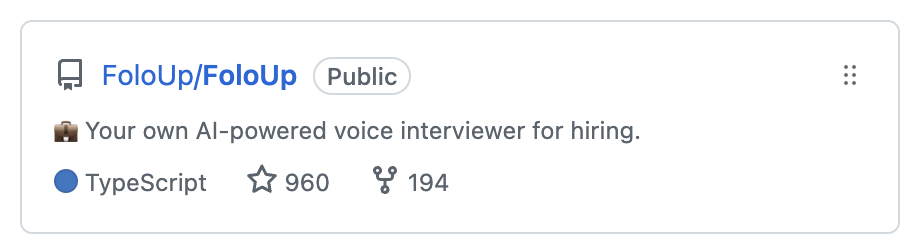
Later we decided to open source FoloUp and it took off. Now it has more than 1.1k stars on Github. And there are companies built on top of it. Something I never imagined when I started the project.
[1] Since we had a grant and money to spend, we never thought about charging our design partners. When we later tried to convert them into paying customers, they werent willing to pay an amount at least to break even.
[2] If I could go back, I would have prioritized building an integration with one of the major ATSs and try onboarding a bigger client.
[3] Not having conviction on the product is the number one reason for startup failure. I've asked many successful founders about this, and they all seem to have a vision greater than the product itself, that's what keeps them going.
The story doesn't end here. I'll keep building. To be continued...